(First published on LinkedIn on October 27, 2025)
Walk any production floor long enough and you’ll see it—women doing the kind of work that holds the line together. Not because they’re magical multitaskers or “naturally nurturing,” but because they know what it means to work twice as hard for half the credit. And let’s be blunt: it shows.
Manufacturing doesn’t run on muscle alone anymore. It runs on focus, consistency, teamwork, safety, and problem-solving—traits that are human, not gender-bound. But when women show up, these traits become visible, amplified, and contagious. They set a bar many didn’t know was missing.
The Real Strengths (That Benefit Everyone)
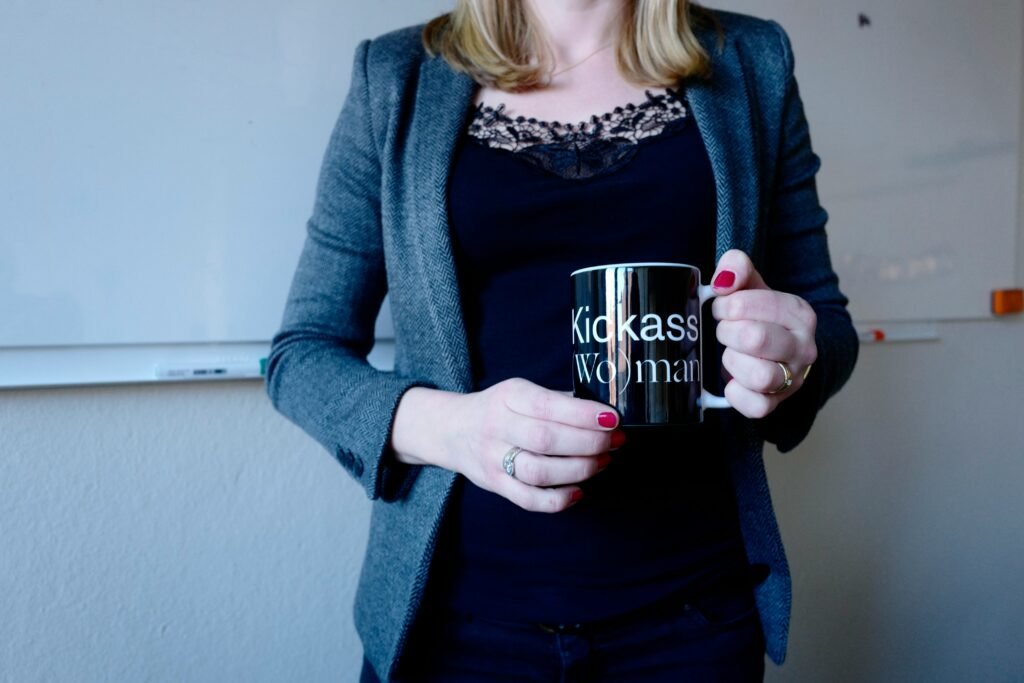
Women on the floor don’t just show up for themselves—they show up for everyone around them. When one woman demands proper PPE for winter shifts, she’s improving safety for the entire crew. When she questions why parental leave doesn’t fit real families, every employee stands to benefit. Respect, fairness, and proper process aren’t “women’s issues.” They’re productivity issues. They’re loyalty issues.
Women push for dignity because they refuse to accept less—and that’s exactly the kind of push manufacturing needs right now.
They’re also the first to catch when something’s wrong in the human ecosystem—a worker who’s off, an unsafe move, an exhausted crew. Women notice because they’ve had to notice. That kind of attention saves companies money, morale, and people.
Why Some Companies Still Don’t Get It
Yet, some companies aren’t just slow to change. They don’t want to. They’d rather risk falling behind than admit their leadership model is broken.
They wear tradition like armor, mistaking fear for strength.
The resistance isn’t really about qualifications, availability, or competence—it’s about pride. It’s about avoiding the reckoning that comes with admitting decades of bad habits: favoritism, ego-led decision-making, and a hiring pipeline that rewards comfort over capability. For a lot of these old-guard manufacturers, hiring and promoting more women would mean facing something unthinkable: that the “good old boys” system wasn’t as good—or as smart—as they liked to believe.
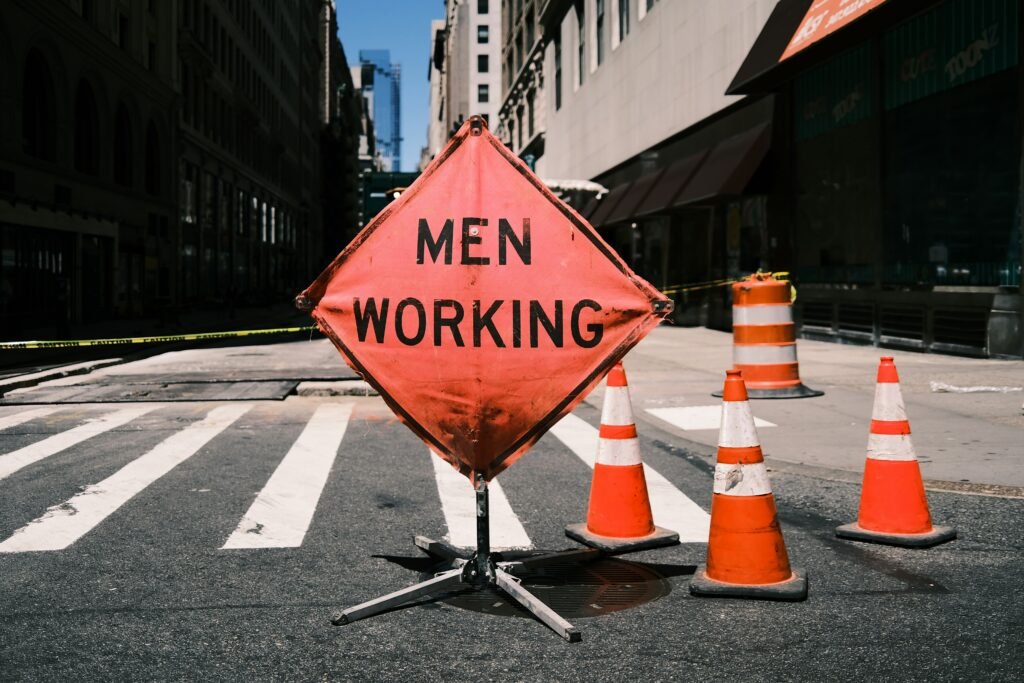
It’s easier to pretend there’s a shortage of “qualified women” than to rebuild leadership systems that have quietly excluded them. Easier to claim “manufacturing’s not attractive to women” than to ask why. Because asking why shines a light on uncomfortable truths: unclean facilities, inflexible schedules, pay inequities, zero mentorship paths, and cultures that reward who talks loudest—usually a man over forty with tenure and confidence, not insight.
And the worst part? That stubbornness is expensive. Companies clinging to outdated dynamics are bleeding innovation, communication, and credibility. Research shows that manufacturing companies with more diverse leadership are not only more ethical and collaborative—they’re also more profitable and more stable long-term. Teams that limit diversity end up with slower decision cycles, weaker problem-solving, and higher turnover.
The talent gap is no longer theoretical. Nearly two million open manufacturing jobs by 2025, and too many companies still refusing to tap the full pool of talent sitting right in front of them—that’s not “tradition.” That’s malpractice.
What keeps these leaders frozen isn’t women. It’s fear: fear of losing control, fear of cultural change, fear of having to listen more than they talk.
But the future doesn’t care about their fear. It’s already being built by inclusive leaders who understand that respect, equity, and flexibility are not signs of weakness—they’re the strongest structural supports any manufacturing operation can have.
Women aren’t waiting for permission from a stalled leadership pipeline. On the factory floor, in the maintenance bays, in the back offices—women are running circles around outdated norms. They’re pushing quality up, safety standards higher, and culture into a place where loyalty means something again.
The momentum may feel slow at the top, but it’s undeniable on the ground. Every woman bringing innovation, collaboration, and care into daily work is rewriting the blueprint for manufacturing success. And that progress isn’t just good for the women making it happen—it’s a critical competitive edge that no company can afford to ignore anymore.
Leadership isn’t just about corner offices and executive titles; it’s a mindset spreading from the floor up, shaping the future of manufacturing—whether old-guard CEOs like it or not.
From Factory Floor to Front Office
When women rise through the ranks, cultures change for the better. They’re not “better leaders because they’re women.” They’re better leaders because they’ve mastered the quiet skill set modern manufacturing desperately needs: clear communication, adaptability, and respect that runs both ways.
But none of that happens by accident. Companies that want to grow their female talent—and keep it—need to build a real career ladder. This means clear pathways from entry-level roles on the floor to supervisory positions and beyond, with built-in training programs that recognize and develop leadership potential early.
Without a roadmap, talented women—and frankly, anyone—get lost in the shuffle or hit invisible ceilings. Apprenticeships, mentorships, and technical training shouldn’t be perks or afterthoughts. They are business imperatives.
Investing in structured skill development not only boosts individual careers but lifts the entire operation’s performance. Companies with intentional career progression programs for women report stronger retention, higher innovation, and better safety records—because when people see a future, they give their best today.
And guess what? Those traits deliver measurable results. Companies with gender-balanced leadership see higher innovation scores, stronger safety metrics, and better profits. That’s not a feel-good talking point—it’s a competitive advantage.
The Future Isn’t Waiting
The companies still hesitating to hire women into decision-making roles aren’t playing it safe—they’re playing themselves out of relevance.
Because tomorrow’s workforce—the engineers, technicians, operators, and executives who will drive manufacturing forward—don’t want to work for institutions built on outdated hierarchies. They want humanity, fairness, and flexibility built into the structure.
And that’s exactly what women bring—on the line, in the office, and at the helm.
The future of manufacturing is human. And women are already building it.
If You Want to Win, Start Here 👇
🧩 Hire for capability, not comfort. If a résumé challenges your picture of “who fits,” it’s probably time to expand the frame.
🚀 Put women in charge of projects that impact profit, not just PR. Visibility without authority changes nothing.
💬 Ask hard cultural questions. If women keep leaving your company, it’s not them. It’s you.
⚙️ Tie diversity goals to measurable outcomes. The best factories track downtime, defects, and throughput—why not leadership equity?
Your Turn: Let’s Hear From the Floor ⚙️💬
Women at every level of manufacturing have stories worth telling—and the industry badly needs to hear them.
👷♀️ If you’re on the floor: What’s one way a woman leader, line worker, or teammate has changed how your team operates?
🏭 If you’re in leadership: How are you making sure women aren’t just seen—but heard and promoted?
💬 If you’ve made it to the top: What do you wish someone had done differently for you along the way?
✍️ Drop a story. 📣 Tag someone who deserves recognition. 🤝 Let’s make visibility contagious.
Because every time a woman steps forward on the factory floor—or in the boardroom—the entire industry moves forward with her.
🏭 Factory Floor Forward
Ready to build a better factory floor? Progress happens when leadership and workers trust each other enough to build it—together.
Some links to check out:
- https://www.industryweek.com/talent/recruiting-retention/article/21271470/manufacturing-is-losing-the-race-to-recruit-advance-women
- https://greatergood.berkeley.edu/article/item/why_gender_diversity_at_work_is_good_for_everyone
- https://www.grantthornton.com/insights/articles/insights/2025/women-in-business-2025-impacting-the-missed-generation