(First published on LinkedIn on November 10, 2025)
Language isn’t just a tool for getting things done; it’s the undercurrent that shapes how people are seen, valued, and ultimately treated at work. On the factory floor and beyond, the words we use—even the ones tossed off as humor—are often loaded with old assumptions that drag down women and immigrant workers.
Language control and the push to fit kids into gender boxes begin long before anyone starts a job—in fact, it starts before kindergarten, even before birth, as parents and caregivers make choices that send signals about what’s “appropriate” for boys and girls. From decorating nurseries in pink or blue, to steering children toward “boy toys” or “girl toys,” these early decisions are backed up by phrases like “boys don’t cry” or “that’s not ladylike,” which teach children what emotions and behaviors are allowed for their gender. In school, rules are rarely applied equally: boys’ rowdiness may be shrugged off as “just being boys,” while girls are admonished for being too loud or assertive, and boys who show vulnerability are often shamed or ridiculed. By the time children grow up, these early lessons harden into a script for adulthood, limiting how people express themselves at work, deal with criticism, or even what ambitions feel possible.
These childhood imprints are the foundation for the biased language and expectations seen on factory floors and in offices everywhere.
These gendered expectations are incredibly hard to shake—once the script is internalized, it shapes everything from career choices to self-esteem, mental health, and even relationships well into adulthood. Unlearning what was taught from the crib takes a lifetime of work and, for many, never fully happens. The discipline and shame instilled by phrases like “boys don’t cry” or “that’s not ladylike” continue to haunt people as they age, influencing who gets help, who feels seen, and who’s allowed to dream big. The impact can be stark: studies show people who fail to fit their assigned gender box can face isolation, depression, and fewer opportunities even in old age, while gendered pressures contribute to higher male suicide rates and lifelong disadvantages for women in areas like leadership, pay, and health. From cradle to grave, the language and expectations drummed into us early keep echoing, shaping how lives are lived—and limited—every step of the way.
Phrases That Devalue Women
Workplace banter and critiques are saturated with language that paints women as weak, irrational, or not cut out for serious roles. Some of the most insidious phrases include:
- “Is it that time of the month?”—dismisses a woman’s valid feelings or assertiveness as just a hormonal issue.
- “For a woman”—as in “She did a good job for a woman,” which undercuts achievement.
- “Bossy,” “abrasive,” “aggressive,” and “ball-buster”—used to shame women who speak up or show leadership, traits that earn men praise.
- “Let me explain that to you again.”—patronizing “mansplaining” that erases women’s expertise.
For men, language is an escape hatch. “Boys will be boys” covers a universe of bad behavior, excusing everything from locker room talk to sexist jokes and dismissing accountability. Boys get freedom and forgiveness, while women are scrutinized for conduct and appearance.
We Must Stop Shifting the Blame!
Women are constantly scrutinized for how they dress, how they sound, and how they “fit in.” If there’s trouble—morale is low, a grievance is voiced—the cause is quickly pinned on women being “difficult” or “disruptive,” rather than questioning a workplace structure set up for male comfort. This blame game starts early and tightens as women climb higher, making it hard for them to be seen as natural leaders free from suspicion.
Women carry the burden of endless warnings: Don’t run outside after dark, watch where you park, avoid being alone, don’t wear that outfit. Society tells women to navigate danger constantly, as if it’s their fault for being attacked.
Here’s what every woman knows:

The real problem is men. Men need to quit stalking women, quit raping women, quit killing women. Men need to quit sexualizing everything and making it socially acceptable to blame women for harm men cause.
We must stop focusing on victims and start holding perpetrators accountable.
Hard stop: Do you think that I just went overboard with the above? Think again. Language is where the bad behavior grows its roots because we, as a society and people, tolerate it and LET IT HAPPEN. It seems so insignificant – but language is our first opportunity to pivot.
That means calling out bad behavior the moment it happens, reporting harassment or abuse without fear, and supporting victims instead of shaming them. And most importantly, we all must start looking at words (and how they are used in the media and societies) as weapons to divide. Only by rooting and calling out toxic behavior with zero tolerance can we create workplaces—and societies—where women are safe, respected, and free to thrive.
Phrases That Devalue Immigrant Workers
Just as women face a constant drip of undermining language, immigrant workers live with their own daily set of damaging phrases—words that spotlight their “otherness” and chip away at their sense of belonging on the factory floor.
- “Your English isn’t good enough.” This phrase is often thrown around as a put-down or excuse to overlook someone’s contributions when language fluency isn’t even crucial to the task. It sidelines qualified people, shutting down their chances for advancement or respect.
- “We don’t hire people who can’t speak English well.” While sometimes framed as a “business necessity,” this phrase ignores the fact that many immigrant workers juggle two or three languages and that language mastery takes time. It’s a gatekeeping tactic that excludes skilled workers before they even get a fair shot.
- “Go back to where you came from.” Not just hurtful but weaponized, this phrase is a blatant attack on immigrant identity and belonging—a toxic barrier to building workplace harmony.
- “Too many mistakes because you don’t understand.” Error-prone work is often unfairly blamed on language skills rather than training or systemic issues, saddling immigrant workers with unfair reputations.
Each phrase is a chip in the foundation of dignity and respect, building walls instead of bridges. These words weigh heavy on those who power much of manufacturing’s success but hear every day that they don’t fully belong.
The manufacturing sector relies on immigrant labor—often people for whom English is a second, third, or fourth language. Instead of recognizing their multilingual resilience, workplaces routinely penalize immigrant workers for missing a word, having an accent, or not speaking “perfect” English. Supervisors sometimes deny promotions or create rules that only English can be spoken, ignoring the skills these employees bring and the reality that most native English speakers would struggle just as much abroad.
Greater proficiency in English becomes a gatekeeper for opportunity—even in roles where spoken language has little impact. Such policing isn’t just unfair—it’s illegal under U.S. discrimination law, but enforcement is weak.
Immigrant workers play a crucial role not just in keeping production lines running, but also in shaping the right company culture and building a resilient leadership environment. When companies recognize the advantages of linguistic and cultural diversity, they can develop bilingual leaders who speak the languages of their workforce—especially within the Latino community, which brings some of the best talent and work ethic in the world. Bilingual supervisors help bridge gaps, offer meaningful mentorship, and create an atmosphere where immigrant employees feel seen and respected, opening doors for better training, retention, and problem-solving.
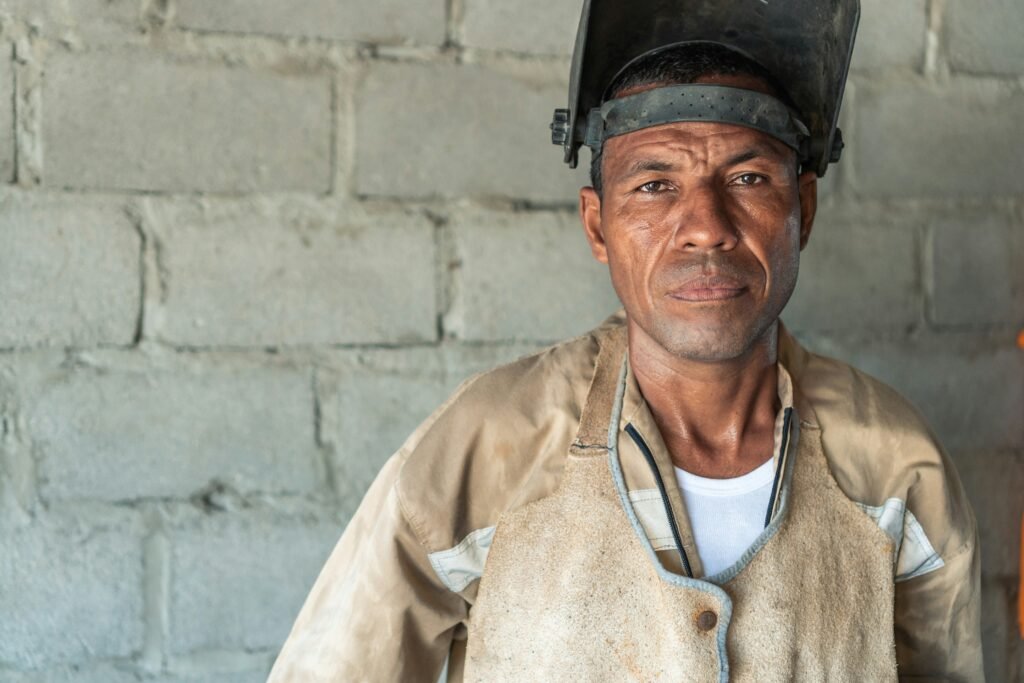
Companies that foster an inclusive environment—by supporting native language communities, offering English learning programs, and promoting cultural awareness—gain a distinct advantage: they attract and keep committed workers, especially among Latinos, who are known for exceptional loyalty when given respect and opportunity. That loyalty not only improves retention but also builds a foundation of trust, innovation, and team-first collaboration that powers manufacturing excellence.
What Corporations and Society Can Do
Change starts when companies and individuals choose to call out bias and champion fair language.
- Implement Inclusive Language Policies: Use gender-neutral pronouns, banish patronizing phrases, and create guides for respectful speech in handbooks and onboarding.
- Champion Reporting and Accountability: Set up anonymous tools so language discrimination can be flagged and addressed without fear of retaliation.
- Train and Listen: Offer workshops not just on “diversity,” but on linguistic and cultural bias, showing why language matters and how to listen for everyday devaluing phrases.
- Champion Allies: Cultivate “language champions”—employees and managers who are empowered to call out subtle slights and steer teams back to respect.
- Value Multilingualism: Recognize and reward workers for using multiple languages. Offer learning support for English and celebrate language skills as a team asset, not a liability.
The Real Work: Rehabilitation and Raising Awareness
It’s not enough to tweak the handbook. Walk the Talk.
Manufacturers (and all employers) must go beyond finger-pointing and start “rehabilitating” a culture that lets language excuse bad behavior or block equity. This means managers, HR, and coworkers must be vigilant, humble, and ready to challenge old lines—even if it feels uncomfortable and unnatural.
To move factory floors and offices forward, the culture needs more than language policing—it needs real champions unafraid to call out BS, lift marginalized voices, and build workplaces where everyone belongs, regardless of gender, accent, or background.
What You Can Do—Starting Now
- 🛑 Call out language that wounds: Don’t let sexist or xenophobic words slip by unchallenged.
- 📣 Report abuse and harassment: Use company channels or create new ones if needed.
- 🤝 Support the person being targeted: Listen, stand up, show public solidarity.
- 📚 Educate yourself and others: Share what language does, and why change matters.
- 🏫 Push for inclusive training: Demand policies and accountability from leadership.
- 🌟 Find your champions: Recognize the talent on your factory floor that can help shape your company’s language and culture.
Your Turn: The Words That Move Us 🔧🗣️ Every phrase on the factory floor matters. Voices from every level—line, lead, or boardroom—make language a tool for change, not just for getting by.
- 👷♀️ On the floor: What’s one phrase that made you feel seen or shut out?
- 🏭 In leadership: How are you shifting your shop’s language culture?
- 💬 At the top: What banter or commendation changed your path for better—or worse?
✍️ Drop your story. 📢 Tag a champion. 🤝 Make better language the norm, not the exception.
Because when one person speaks up, it’s not just words—it’s the floor, the culture, and the future moving forward.
🏭 Factory Floor Forward
Ready to build a better factory floor? Progress happens when leadership and workers trust each other enough to build it—together.
Some links to check out:
- https://www.inhersight.com/blog/diversity/boys-will-be-boys
- https://www.linkedin.com/pulse/linguistic-cultural-barriers-manufacturing-emilia-linardakis-mba-1
- https://bluesky-thinking.com/are-we-ignoring-the-impact-of-language-bias-at-work/
- https://www.elevateleadership.com/blog/bias-free-language-at-work-guide