originally published on LinkedIn on August 18, 2025
What’s tougher than the factory floor? Being a woman on it.
Because while machines hum and production never stops, the real friction often comes from being unseen, underestimated—or worse.
In many workplaces, sexism and ageism work like constant background noise. It’s subtle, pervasive, and undermines both trust and loyalty for everyone involved—not just women, but the entire production team.
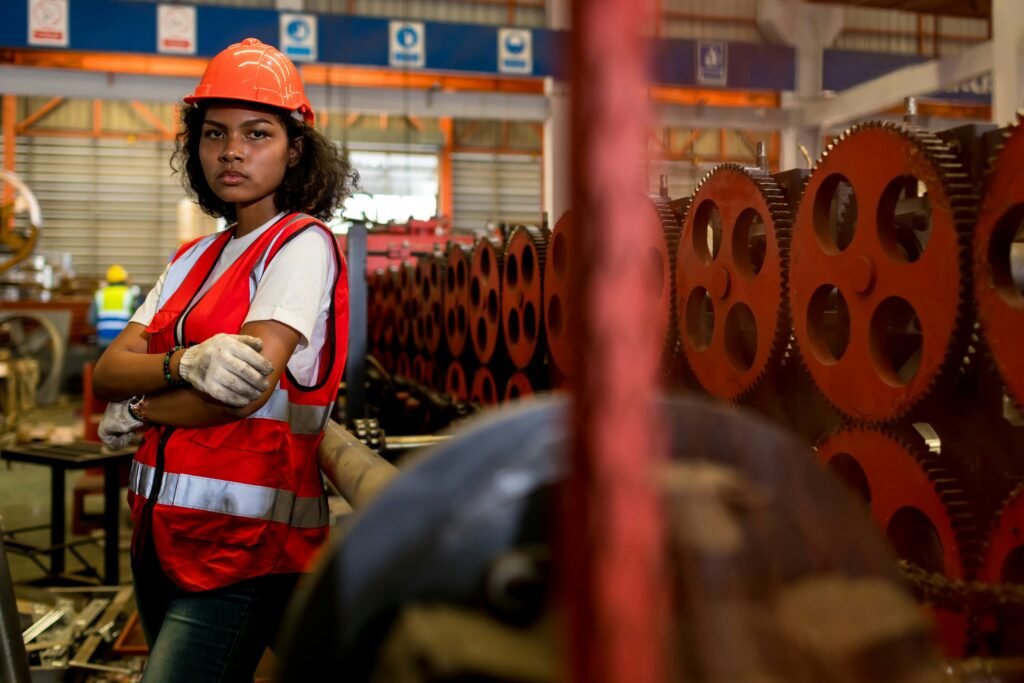
Women in manufacturing face daily challenges like:
- Unequal pay: Earning less for the same work.
- Visibility penalty: Needing to “stay under the radar” just to stay employed.
- Gratitude expectations: Being expected to smile and be thankful—no matter the conditions.
- Intersectional barriers: Women of color carry the heaviest weight of all.
Recent data illustrates the persistence and impact of sexism in the American workplace:
- According to a 2025 meta-study, 42% of women report being asked gender-biased questions during job interviews, and 41% feel discriminated against in the hiring process. Despite decades of progress, women still earn an average of 85 cents for every dollar a man earns, and 50% of U.S. workers believe this pay gap exists specifically because women are treated unfairly by employers.
- The latest McKinsey “Women in the Workplace” report finds microaggressions, overlooked contributions, and wage disparities remain widespread, taking a significant toll on women’s mental health, job satisfaction, and willingness to stay in their roles.
- Further, Pew’s research shows that 61% of women (vs. 37% of men) say that being treated differently by employers is a major cause of the wage gap, underscoring that workplace sexism is not subtle or imaginary, but recognized and felt by a majority of professional women.
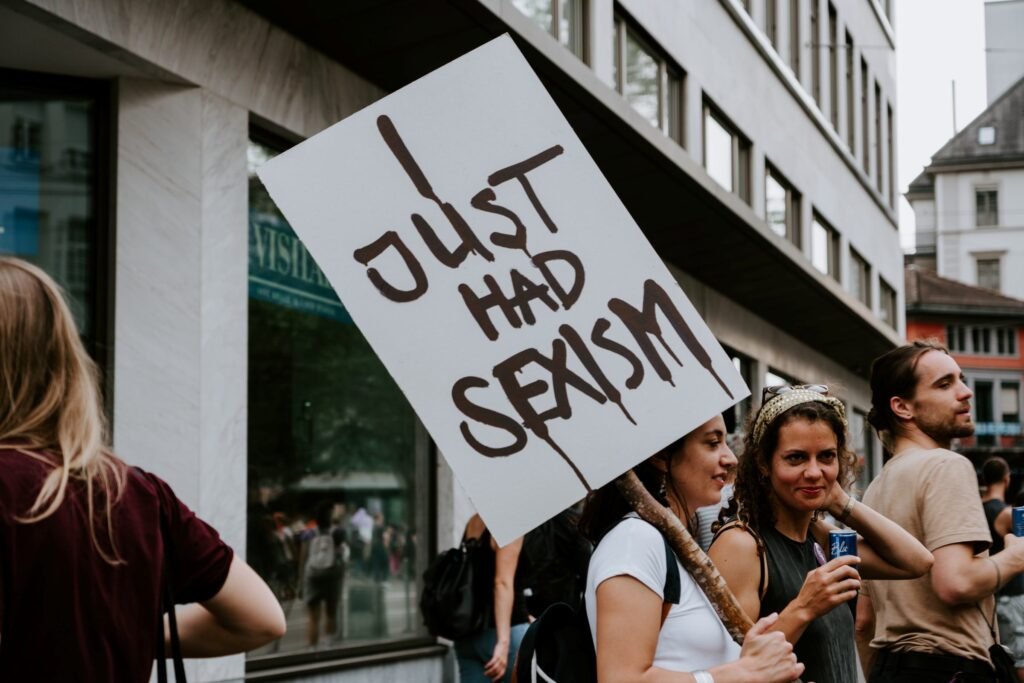
It’s one thing to cite numbers and studies. It’s another to live through the small daily slights that add up over time. I’ve personally faced troubling moments in the past that made it clear how far we still have to go:
- Lude comments from managers: I’ve had supervisors make inappropriate remarks about my chest size, reducing my professional contributions to physical features. These comments weren’t just demeaning—they made the workplace feel unsafe.
- Silenced during interviews: Rather than being heard, I was frequently talked over or interrupted in interviews, my ideas dismissed before they could get airtime.
- Mansplaining, even from “allies”: Well-meaning male colleagues often explained things I already knew or delivered advice in a manner that felt patronizing. While their intentions were good, the impact was diminishing and left me questioning if my expertise was valued.
And there’s more:
- Defensive dynamics: In high-stress manufacturing environments where jobs and status feel precarious, some men may feel their own position is threatened by calls for gender equity. This anxiety can manifest as chauvinistic behavior—cutting remarks, exclusions, or undermining female colleagues—to avoid being perceived as “less valuable.” Instead of channeling energy into collaboration, this “defensive posturing” reinforces adversarial dynamics and fosters an “us vs. them” culture. The hidden cost is the loss of candid dialogue, which teams need for problem-solving and innovation.
- Scapegoating women: On the production floor, the pressure to perform (and to fit in) sometimes results in subtle, mutually reinforcing barriers. Women can become the scapegoats—picked on or dismissed—to allow others, men or even peers of any gender invested in the status quo, to feel temporarily superior or accepted. Rather than uniting around shared challenges, the team’s energy goes into upholding old hierarchies and protecting fragile egos. This cycle deepens isolation for women and creates a climate where no one feels free to speak up when something is wrong.
- Eroding excellence: When women’s contributions are consistently minimized or overlooked, a broader environment of disengagement takes root. If leadership and peers tolerate disrespect or simply aim to “get by,” the message is that excellence doesn’t matter—survival does. This attitude becomes contagious: respect for all diminishes, loyalty erodes, and staff focus on doing the bare minimum instead of striving for better outcomes together. Over time, this lowers morale not just for women, but for the entire team, resulting in higher turnover and stagnant business results.
These aren’t isolated events—they mirror the patterns highlighted in research, where microaggressions and overt bias combine to erode trust, confidence, and loyalty. By sharing these stories, I hope to help others recognize that the data is more than numbers; it’s about real people striving to do their best work—despite the obstacles.
The environment on the production floor often amplifies these inequities. Sexist remarks, jokes, and being questioned about competence are still too common. Even in 2025, too many companies have yet to build workplaces where women are fully respected and empowered.
Honest Takes on Leadership
It’s easy to point fingers at leadership or the C-suite when culture falls short. But CEOs and executives have genuine power not just to steer a company’s profitability, but to shape daily realities on the floor. CEOs (and other managers) set the tone for inclusion, fairness, and growth by:
Modeling trust and respect—not just with big programs, but with small, everyday actions
- Trust and respect aren’t built solely through grand gestures or annual diversity initiatives. They’re cultivated each day through attentive listening, inclusive decision-making, and transparent communication. A manager who takes the time to ask thoughtful questions in meetings, welcomes feedback—even dissenting opinions—and acknowledges the work of all team members (not just the loudest voices) sends a powerful message about what’s valued. Even simple acts—like respecting personal boundaries, giving credit in front of others, or addressing inappropriate comments promptly—signal to everyone that the workplace is a safe and equitable space.
- Role modeling matters: When leaders and peers consistently treat everyone with dignity during casual interactions, it sets a tone that makes disrespect or exclusion increasingly unacceptable.
Investing in procedures and leaders who build positive work environments for all, including women and those from underrepresented backgrounds
- Sustainable culture change requires institutional support, not just good intentions: Clear, fair HR policies relating to harassment, promotion, and complaint resolution give employees confidence that their concerns will be addressed. Ongoing leadership training on unconscious bias, active bystander techniques, and inclusive management approaches helps leaders recognize and correct inequity in real time. Appointing champions or accountability partners—for example, diversity advocates within teams—helps maintain focus and momentum even after formal training ends.
- It’s not enough to have rules on paper; they must be actively enforced and regularly assessed to ensure they’re making a difference for everyone, not just the majority.
Hiring and promoting the right talent on the floor, ensuring diverse voices—including women’s—are present at every level
- Talent decisions are opportunities to create lasting impact: Proactively recruiting candidates from diverse backgrounds and redesigning job postings to minimize bias opens doors for underrepresented groups. Transparent promotion criteria, mentorship opportunities, and sponsorship programs give all employees, especially women and minorities, a fair shot at advancement. Purposefully diversifying leadership teams and production crews means decision-making includes a greater variety of perspectives, leading to better problem-solving and innovation.
- When employees see women and historically marginalized voices succeed at every level—including supervisors, leads, and specialists—it validates the organization’s stated values and inspires broader participation.
Leadership at the top should be about much more than visions and strategies.
When executives partner with floor leaders to establish real DEI practices and genuine respect, trust grows—and with it, loyalty and productivity.
Building Progress Together
We must be honest: companies and industries have a long way to go. Profits matter, but not at the expense of those working the hardest. Workers—especially women—notice when promises fall short.
If CEOs and leaders want loyalty, the answer starts with hiring and supporting diverse talent, listening to all perspectives, and investing in a culture where every worker counts. When the right leaders make room for everyone at the table, everyone—including the business—wins.
✊Your Voice Matters.What have you seen on the floor?💬 Share a moment when you saw sexism—and how you responded.📢 Let’s make invisible problems visible.
Key Data
These contemporary studies confirm that sexism—explicit or implicit—continues to undermine trust, teamwork, and retention in American manufacturing and beyond.
- https://www.hibob.com/research/us-2025-women-professionals-in-the-modern-workplace/
- https://www.cnn.com/2025/03/07/world/womens-equality-at-work-globally-as-equals-intl-cmd
- https://www.pewresearch.org/short-reads/2025/03/04/gender-pay-gap-in-us-has-narrowed-slightly-over-2-decades/
- https://rankings.newsweek.com/americas-greatest-workplaces-women-2025
- https://www.mckinsey.com/featured-insights/diversity-and-inclusion/women-in-the-workplace
- https://www.embroker.com/blog/gender-discrimination-in-the-workplace/
- https://www.highriselegalfunding.com/research/gender-bias-in-the-workplace/
- https://connect.informs.org/discussion/new-study-uncovers-hidden-gender-bias-in-workplace-leadership-programs
🏭 Factory Floor Forward
Ready to build a better factory floor? Progress happens when leadership and workers trust each other enough to build it—together.