(First published on Linked In on February 16, 2026)
Here’s a familiar scenario that plays out across the South each winter. The forecasts start buzzing: “Winter storm warning,” “once-in-a-decade freeze,” “expect dangerous conditions.” Everyone rushes to the store for bread and batteries, and social media lights up with pictures of empty shelves and icy driveways.

Picture Larry, who just watched the late news. The anchor says temperatures will drop overnight and ten inches of snow, with sleet and ice on top, will blanket the region. Larry’s already tense. He knows what that means for him — his pickup, his driveway, and his job.
His truck is technically an antique, though the only thing classic about it is how often it breaks down. He lives in a trailer park tucked downhill in the shade, the kind of spot the sun forgets to reach until March. His factory runs ten-hour shifts, five days a week, and they hardly ever shut down. The message is simple: production above all.
When the storm hits, Larry has to do the same math hundreds of others do:
- Try to make it in and risk wrecking his truck, his only ride to work.
- Stay home and risk his job.
There’s no inclement weather policy. No emergency line. No clear direction — just an unspoken expectation: you show up, no matter what.
The Cost of “Just Showing Up”
If Larry takes the risk and drives, one wrong slide could start a chain reaction that follows him long after the snow melts. Auto insurance rates are tied to credit scores, and many factory workers already struggle to keep those in good shape. A fender bender means higher premiums or no coverage at all.
And if Larry ends up in the hospital, the situation goes from bad to worse. The company’s health plan might exist, but it’s unaffordable. The premiums eat up too much of his check, and the deductible is sky-high. One ER visit could push him into debt for years.
So when leadership says, “We were all expected to make it,” those words don’t land the same. For some, it’s an inconvenience. For others, it’s a financial gamble with everything they own.
The Reality on the Factory Floor
Larry’s story echoes across plants in the South: “We never close,” “We can’t afford to stop production,” “Attendance still counts.”
But people aren’t just part of a process; they are the process. When leadership forgets that, trust erodes faster than a salt truck melts ice.
Sure, a shutdown costs money. But so does turnover, lost morale, and damaged trust. And when closures do happen, there’s that quiet inequality — blue-collar workers miss a day’s pay or burn PTO while office staff log in from home. Same company, same storm, different standards.
Every storm uncovers the cracks in company culture — who gets grace and who gets the grind.
When the Storm Hits the Building
Let’s flip the story. Suppose that same snowstorm hits harder than expected — trees down across the parking lot, roof leaks dripping into production areas, maybe even a frozen water line that bursts overnight.
For a company that demands attendance no matter what, few hands will show up to help clean up. Not out of defiance, but because the connection’s gone. That “we” culture doesn’t exist. The company will end up paying for outside contractors, delayed restarts, and a bruised reputation.
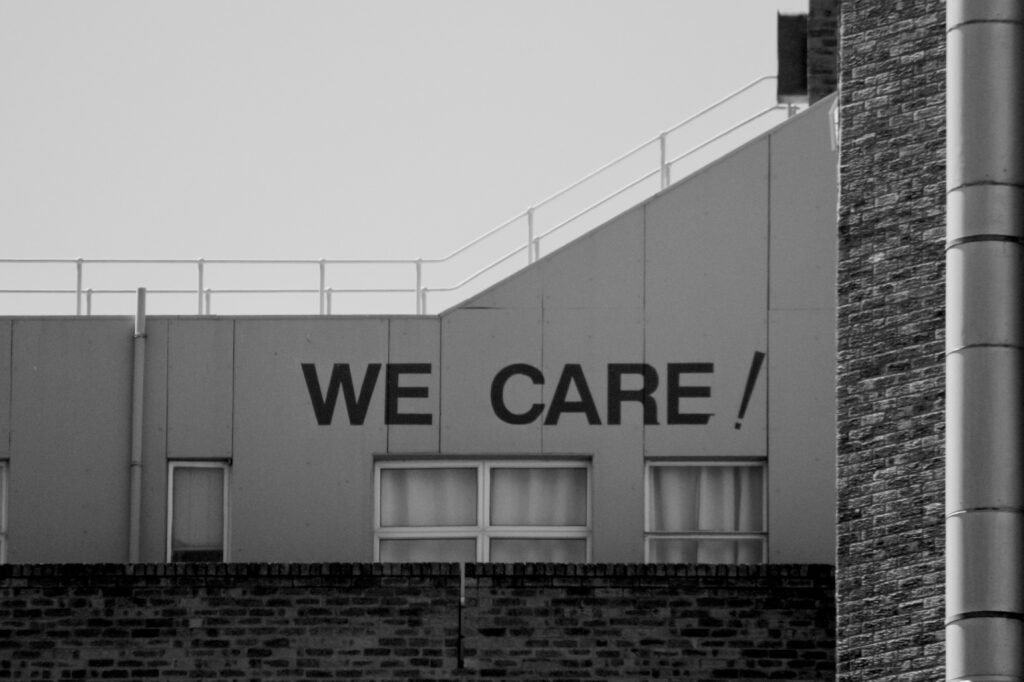
But in a strong culture, one built on mutual respect and flexibility, it looks different. Those same workers arrive — shovels in hand — not because they have to, but because they want to. They clear snow, patch leaks, check machinery, and make sure the production floor is safe. It’s mutual care in action: you look out for us, we’ll look out for you.
That’s not a policy. That’s a partnership.
Building a Better Response
Companies can do better — and it doesn’t have to hurt the bottom line:
- Create an inclement weather policy that everyone knows and understands.
- Set up a weather hotline or text system for updates before shifts.
- Put safety first. No production goal is worth risking a life.
- Offer makeup or weekend shifts so workers can recover lost time safely.
- Lead by fairness. If management can delay or stay home, so can those who keep production running.
- Invest in trust. When culture is solid, people show up — not out of fear, but out of pride.
Normalizing Staying Safe
Let’s be clear — staying home during dangerous weather shouldn’t come with shame. It shouldn’t be whispered about in the breakroom or held against someone in performance reviews. Everyone — managers, supervisors, and coworkers alike — needs to normalize the decision to stay home when conditions are unsafe.
That stigma around “not showing up,” especially in male-dominated environments, is a quiet reflection of toxic masculinity. The idea that “real men push through” might sound noble, but in practice, it’s reckless. Strength isn’t measured in who can risk more — it’s measured in who knows when to prioritize safety and well-being.
When leadership vocalizes that safety matters more than showing up, it gives everyone permission to make smart choices — without fear of judgment or retaliation. And that shift in mindset can transform a company’s culture faster than any new policy ever could.
Loyalty Cuts Both Ways
“Loyalty” isn’t about braving icy roads to keep machines humming. It’s about standing by your people when circumstances make business as usual impossible. If leadership demands loyalty but doesn’t offer it back — not through safety, fairness, or empathy — that’s not loyalty. It’s a one-way street.
Storms always pass. But what stays behind is the memory of how a company handled them — whether they risked their workers or protected them. The companies that get it right don’t just rebuild production after a storm. They rebuild loyalty.
🏭 Factory Floor Forward
Ready to build a better factory floor? Progress happens when leadership and workers trust each other enough to build it—together.