(First published on LinkedIn on January 19, 2026)
You’ve seen the job posting: a wish list disguised as “requirements.” You probably don’t check every box — but you hit “apply” anyway, because deep down you know you can do the work.
That’s where Lori is.
She’s a seasoned Production Manager who’s been running teams, solving problems, and keeping manufacturing lines alive for 25 years. Her plant shut down last year. She’s been out of work for four months.
And like a lot of women in manufacturing, she’s finding out that job‑hunting in 2026 is a job in itself.
The Three Invisible Ceilings
Lori’s résumé tells a story of grit and stability — but the digital hiring wall doesn’t care about that.
She’s a woman (the glass ceiling). She’s older (the age ceiling). And she doesn’t have a degree (the paper ceiling).
All three work against her — even though none of them define her ability to run a shift or deliver results.
Her old plant ran on hands‑on know‑how, not dashboards and scorecards. Now, most postings want someone “digitally fluent” in a dozen software systems — none of which keep a machine from breaking or a team from burning out. She’s smart enough to see the gap. She’s taking community‑college classes while caring for her mother. But that persistence doesn’t matter if filters block her before a human even looks at her application.
The Broken Promise of Online Hiring
Automation was sold as efficiency — faster, fairer, easier. But the only thing it’s made faster is rejection.
Every “Apply Now” link leads to another login, another platform, and another set of forms that never import correctly. Lori spends hours retyping her entire work history into boxes a robot will skim for three seconds — and probably discard.
Then she hits the degree question. The demographics. The disability disclosure. It all starts to feel less like opportunity and more like exposure. After the tenth form, it’s hard not to wonder who these systems were built for.

The View from the Other Side
Let’s be fair — hiring isn’t easy on the company side either.
HR teams drown in applications. For every great fit, there are seventy‑five others who aren’t close. Leaders want speed, compliance, and fairness all at once. That’s how we ended up automating empathy.
Filters were supposed to help recruiters focus — not replace their judgment. But the algorithms don’t see potential. They can’t spot loyalty, teamwork, or growth mindset. Those are human judgments that get lost somewhere between the “submit” button and the inbox.
The intent isn’t to alienate candidates; it’s to manage chaos.
But the result is a widening gulf between good people and good employers — for no reason except that both are trapped in a system that values sorting over seeing.
The Waiting Game
After all that work — retyping, uploading, double‑checking — Lori waits.
She gets the auto‑reply: “Thank you for your application.” And then… nothing.
No update. No rejection. No follow‑up.
At this point, even a “we went another direction” would be better than silence. It would at least prove someone on the other side read past the first paragraph.
That silence isn’t just frustrating — it’s a culture signal. When companies go radio silent, they’re saying you don’t matter yet.
The Trust Deficit
Silence doesn’t just kill loyalty — it widens the truth gap.
Every company writes job postings about transparency, integrity, and people‑first culture, but when candidates meet that silence, they see the real truth: words over actions. It’s corporate false advertising — a disconnect between what companies say they value and how they treat the people who want to work for them.
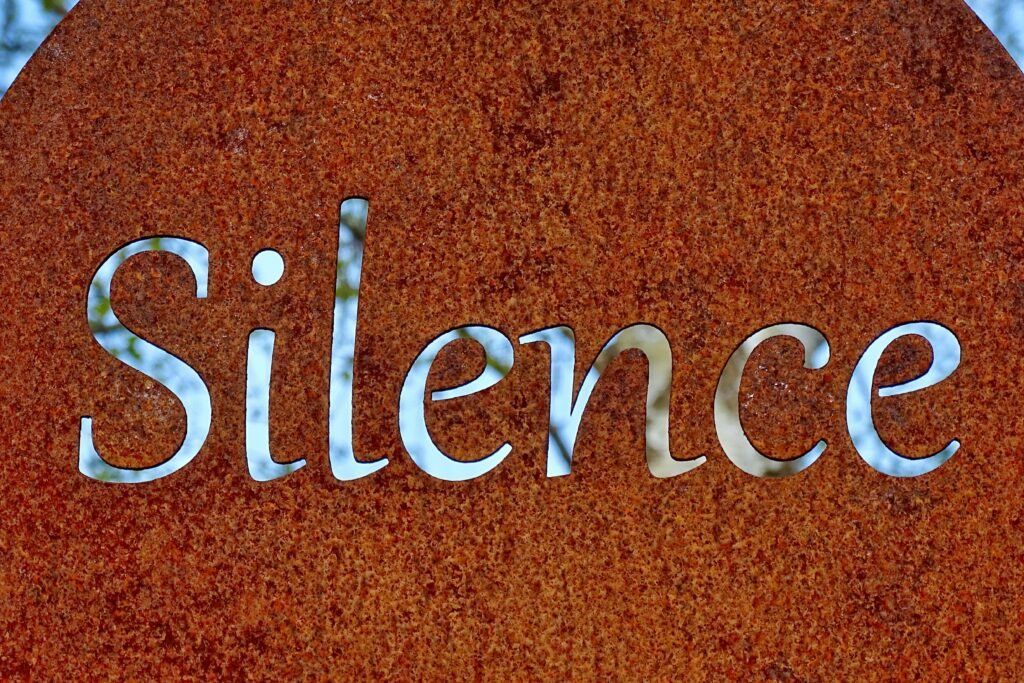
The silence sends a message: we value communication internally, just not with you.
And if that’s how the story starts, why would anyone believe the rest?
Honesty in hiring isn’t just about accurate job postings. It’s about follow‑through. When companies fail their own “people values” in the very first interaction, the truth gap turns into a trust gap.
From there, it’s only a short walk to turnover, cynicism, and the same tired complaint echoing through break rooms everywhere: “Nobody wants to work anymore.”
No company has earned the right to complain about “labor shortages” when they can’t manage basic human courtesy in their hiring process.
You can’t build loyalty out of indifference.
Even when some companies do it right — personalized notes, updates, respect — the candidate experience stays sour because the majority still treat applicants like afterthoughts. The good ones inherit the bad ones’ reputation.
From Filtered Out to Found
Let’s be real: Lori’s résumé will likely land in a pile hundreds deep. Many won’t be read at all.
And recruiters — overwhelmed and under pressure — can’t easily see the tree for the woods. One hundred résumés deep, everyone starts blending together. So they skim for must‑haves and degree lines. They don’t mean to ignore experience; they’re just surviving the volume.
But here’s what deserves to leap off Lori’s page if someone slowed down:
- Led a 45‑person team across three shifts.
- Cut downtime by 15 percent in two years through process innovations she designed.
- Coached two supervisors into management roles.
- Maintained <1 percent turnover on her shift when others struggled to keep half the crew.
That’s not “qualified.” That’s essential workforce talent.
Yet none of that fits neatly in a keyword box. The algorithm doesn’t see it — and overstretched HR eyes might pass it, too.
The fix isn’t abandoning tech; it’s balancing it with curiosity. No software can see potential — only people can.
Fix It: Rebuilding a Hiring Process That Keeps Loyalty Alive
For Employers and HR
- Rehumanize the first screen. Even in high‑volume hiring, sample a handful of applications beyond the filters. You’ll find unexpected gems hiding behind missing buzzwords.
- Audit job descriptions quarterly. Remove outdated “must‑haves” and degree demands. Replace “must know” with “will learn.”
- Close every loop. Automatic rejection notices aren’t rude — silence is. A two‑line update is better than none.
- Reframe older candidates as stability, not risk. Ask about results, not résumés. Loyalty comes from impact, not pedigree.
- Loop HR into leadership discussions. Recruiting isn’t an admin task — it’s culture work. When leaders hear what hiring actually looks like, expectations get more realistic.
For Candidates
- Don’t undersell impact. Lead with measurable results — quality metrics, safety wins, retention gains.
- Show curiosity, not just compliance. Document the training you’re taking or skills you’re learning. It shows forward motion.
- Refresh your résumé without overspending. Use free or low‑cost tools like Canva or Google Docs. Replace task lists with action + result bullets: “Supervised production team” ➜ “Led 25‑person shift that increased throughput 10% while reducing scrap.” Local workforce offices often review résumés for free — take advantage.
- Network beyond the portal. Connect directly with hiring managers or supervisors. Warm introductions outlive algorithms.
- Set limits on burnout. Job hunting is a shift. Work it in blocks and protect your energy.
- Keep the faith. Rejections reflect broken processes, not your value.

The Bottom Line
Hiring has become efficient but empty. Behind every résumé is a story like Lori’s — and behind every stack of applications is an HR team trying just to keep up.
The system isn’t malicious; it’s mechanical. And mechanical processes can be redesigned.
Loyalty doesn’t start on Day One — it starts at “Apply Now.” (But really, it starts with the job posting as outlined in my previous newsletter.) If both sides start treating that moment like the first step in a relationship instead of a transaction, trust becomes possible again.
That’s how we turn the system back into something human — one application, one response, one act of respect at a time.
🏭 Factory Floor Forward
Ready to build a better factory floor? Progress happens when leadership and workers trust each other enough to build it—together.